Understanding Sports Betting Algorithms: A Guide
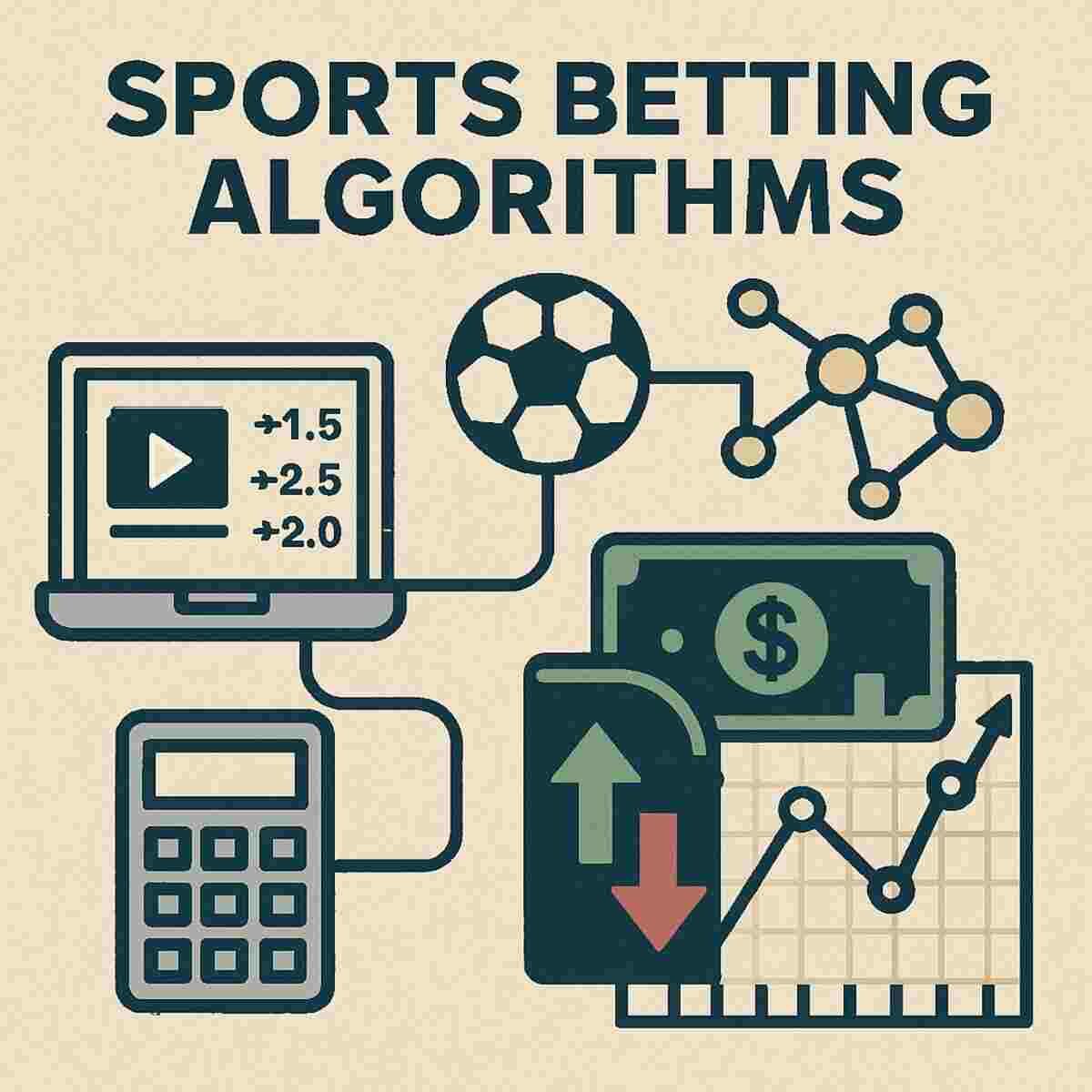
First things first, let’s talk about what sports betting algorithms actually are. Simply put, they’re a set of rules or calculations used to predict the outcome of sports events. These algorithms take into account various factors such as team performance, player statistics, historical data, and even weather conditions to provide the odds for a particular game. What do you consider about اپلیکیشن بت فوروارد.
The Basics of Algorithm Design
Think of it like a super-smart friend who never misses a game and can give you the scoop on who might win. They might not always be right, but they certainly improve your odds of making informed decisions. The core idea behind algorithm design is to process vast amounts of data to identify patterns that might not be obvious at first glance.
Factors Considered in Algorithms
Algorithms don’t just randomly guess the outcome of a game. They meticulously analyze several factors that can influence the outcome. These include team form, player performance, historical match data, and even seemingly trivial factors like the time of day or the specific venue. Each factor is weighted based on its perceived impact, allowing the algorithm to make a balanced prediction.
The Evolution of Sports Betting Algorithms
Over the years, sports betting algorithms have evolved from simple statistical models to complex systems utilizing machine learning and artificial intelligence. Early algorithms relied heavily on straightforward statistical methods, but today’s systems can learn and adapt, improving their predictions over time as they process more data.
How Do Betting Odds Work?
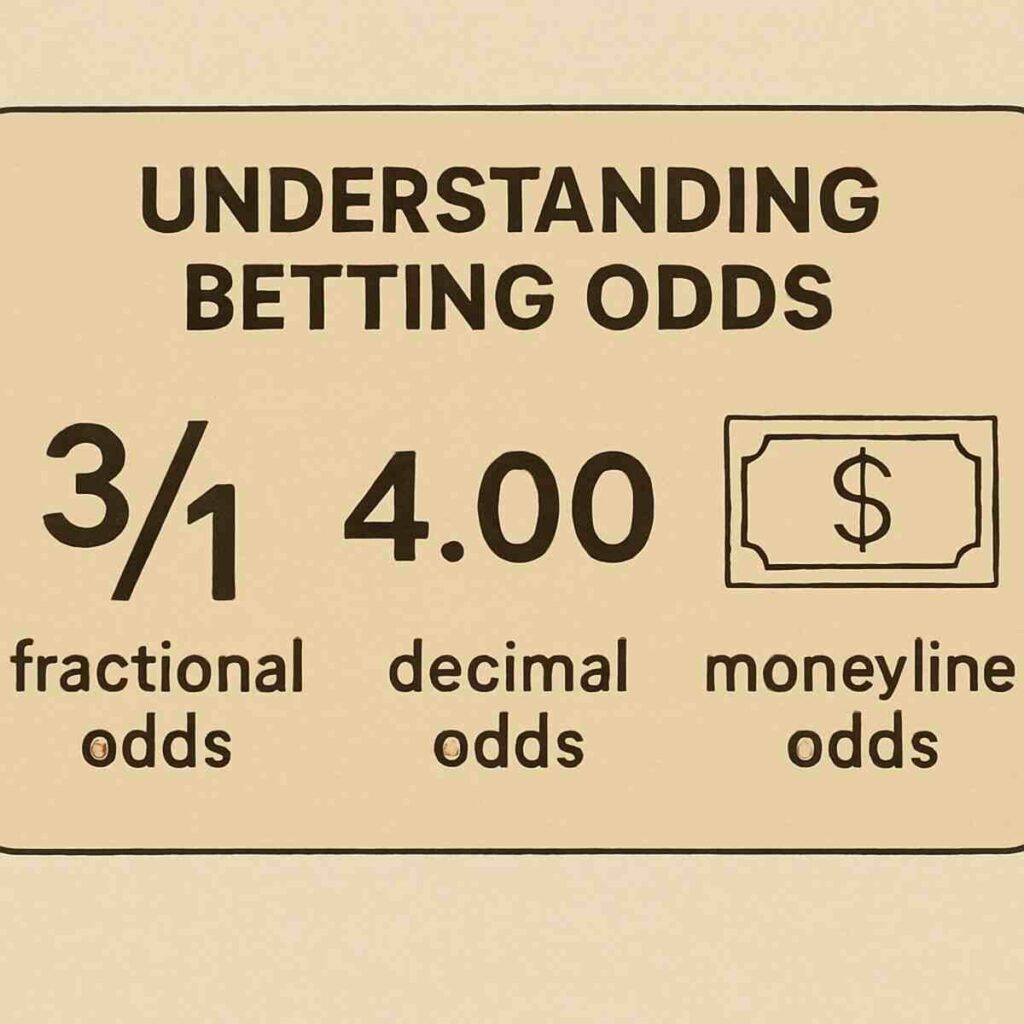
Before diving deeper into algorithms, it’s crucial to understand betting odds. Odds are a way to represent the probability of a particular outcome happening. They tell you how much money you could win if your bet is successful.
Fractional Odds Explained
There are three main types of odds: Fractional odds (e.g., 5/1) are common in the UK and show how much you’ll win relative to your stake. If you bet £1 at 5/1 odds, you’ll win £5 if your bet is successful, plus your original stake back. This type of odds is quite intuitive once you get the hang of it.
Decimal Odds and Their Popularity
Decimal odds (e.g., 6.00) are popular in Europe and represent the total payout (stake plus winnings). They’re straightforward to calculate because you simply multiply your stake by the decimal number to find out your total return. For example, a €10 bet at 6.00 odds will return €60, including the initial stake.
Understanding Moneyline Odds
Moneyline odds (e.g., +500) are mostly used in the US and show how much you’d win on a $100 bet. Positive moneyline odds indicate how much profit you will make on a $100 wager, while negative odds indicate how much you need to bet to win $100. This system can be a bit confusing at first, but once you understand the basics, it becomes second nature.
The Role of Algorithms in Sports Betting
Sports betting algorithms crunch numbers to give you a better picture of potential outcomes. They analyze a ton of data, including:
Analyzing Team Form
Team form is a critical component of sports betting algorithms. How well a team has been playing recently can indicate their current performance level and is often used as a predictor of future success. Algorithms assess a team’s recent results, scoring patterns, and overall momentum.
Head-to-Head Records
Past matchups between the teams are another factor. Historical data on how teams have fared against each other can provide insights into potential outcomes. Some teams may consistently perform well against certain opponents due to style matchups or psychological edges.
The Impact of Injuries and Suspensions
Injuries and suspensions can significantly affect the outcome of a game. Algorithms take this into account by adjusting predictions based on the availability of key players. A team’s strength can be severely compromised if their star player is missing, which algorithms need to consider.
Weather Conditions and Game Outcomes
Weather can impact performance, especially in outdoor sports. Rain, wind, and extreme temperatures can all affect how a game is played, and algorithms factor this into their predictions. Weather data is often integrated into the models to provide a more accurate forecast.
Home/Away Advantage in Betting
Teams might perform better or worse depending on where they play. Home teams often have an advantage due to familiar surroundings and supportive crowds. Algorithms evaluate the home/away dynamic to adjust their predictions accordingly.
Types of Sports Betting Algorithms
There are several types of algorithms used in sports betting, each with its unique approach:
Elo Ratings in Sports
Elo ratings, originally used in chess, evaluate the skill levels of players or teams based on game results. This system is adaptable to sports betting, offering a dynamic way to assess team strength. As teams win or lose, their Elo rating adjusts, providing a current snapshot of their abilities.
Poisson Distribution for Predicting Scores
The Poisson distribution is a statistical method used to estimate the probability of a given number of events happening in a fixed interval, such as goals in a football match. This method is particularly useful for predicting scores and is often employed in sports with low-scoring games.
Regression Analysis in Betting
Regression analysis is a statistical process for estimating relationships among variables. In sports betting, it’s used to predict outcomes based on historical data. This method can identify correlations between different factors, such as player performance and match outcomes, to enhance predictions.
Practical Tips for Using Algorithms in Betting
Here’s how you can put these algorithms to work for you:
Conduct Thorough Research
Do Your Homework: Use algorithms as a tool, but always do your research. Check recent form, injuries, and other factors that might not be fully captured by the algorithm. Having a comprehensive understanding of all elements influencing a game can give you a betting edge.
Keep Up with Sports News
Stay Informed: Keep up with the latest news and updates about teams and players. Algorithms are only as good as the data they use. Real-time information can sometimes provide insights that algorithms haven’t processed yet, giving you an advantage.
Bankroll Management Strategies
Manage Your Bankroll: Use algorithms to inform your bets, but always bet within your means. Set a budget and stick to it. Proper bankroll management ensures that you can sustain your betting activities over the long term without risking financial hardship.
Learning from Expert Tipsters
Learn from the Pros: Follow tipsters and experts who use algorithms to make their predictions. You can learn a lot from their insights and strategies. Observing how professionals interpret data and apply algorithms can enhance your betting acumen.
Building Your Own Betting Algorithm
Feeling adventurous? You can try creating your own sports betting algorithm. Here’s a simple guide:
Data Collection Techniques
Collect Data: Gather historical data on the sport you’re interested in. This could be team performance stats, player data, etc. The quality and quantity of your data significantly impact the accuracy of your predictions, so be thorough in your collection efforts.
Choosing the Right Model
Choose Your Model: Decide on the type of algorithm you want to use (e.g., Elo ratings, Poisson distribution). Selecting the appropriate model depends on the specific sport and the aspects of the game you wish to predict. Each model has its strengths and weaknesses.
Analyzing and Testing Your Model
Analyze and Test: Use your model to analyze the data and make predictions. Test it against real-world outcomes to see how well it performs. Initial testing is crucial for identifying the model’s accuracy and potential areas for improvement.
Refining Your Algorithm
Refine and Repeat: Tweak your algorithm based on its performance. The more you test and refine, the better it will get. Continuous refinement is essential, as it allows your algorithm to adapt to new data and improve its predictive capabilities over time.
Conclusion: The Future of Sports Betting
Sports betting algorithms aren’t going anywhere. As technology advances, these algorithms will only become more sophisticated, offering even better insights and predictions.
Technological Advancements in Algorithms
The future holds exciting possibilities as technology continues to evolve. With advancements in artificial intelligence and machine learning, algorithms are becoming more adept at processing vast amounts of data and learning from it. This evolution will likely lead to even more accurate predictions and deeper insights.
Responsible Betting Practices
By understanding and using these algorithms, you can take your betting game to the next level. Remember, while they can give you an edge, nothing is guaranteed in sports. Bet responsibly and have fun! Responsible betting involves understanding the risks and maintaining a balanced approach to wagering.
Embracing the World of Sports Betting
So, ready to dive into the world of sports betting algorithms? You’ve got the knowledge—now it’s time to put it to use! Whether you’re developing your own algorithm or using existing ones, the world of sports betting offers endless opportunities for engagement and excitement.