Mastering the Art of Spoons Strategy
Have you ever found yourself in the midst of a spirited game night, surrounded by friends, when someone suggests playing Spoons? If you have, you know that this game is not just about luck—it’s a thrilling mix of strategy, speed, and a touch of chaos. This article will guide both newcomers and seasoned players alike on how to elevate their Spoons gameplay. We’ll explore strategies, tips, and the nuances of this exhilarating card game. Let’s dive into the art of Spoons strategy and how to play this exciting card game. Check out marihidupsehat to know more
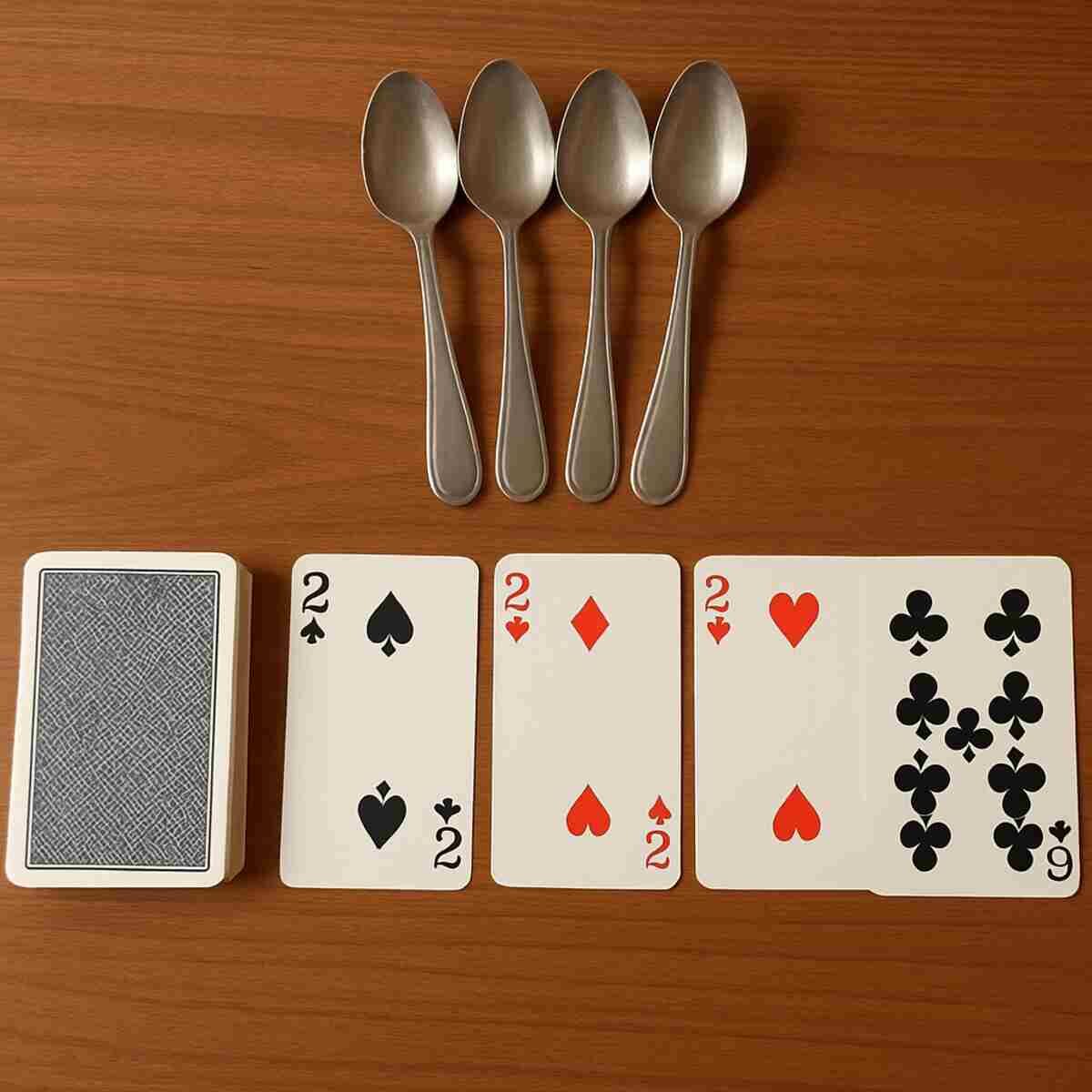
Spoons is a fast-paced card game that’s perfect for groups of three or more players. The game is played with a standard deck of cards and, as the name suggests, a collection of spoons—one less than the number of players. The goal is to collect four of a kind in your hand and then grab a spoon from the center of the table. Once a spoon is taken, everyone else must quickly grab one. The player left without a spoon is out of the game. Sounds simple, right? Well, there’s more to it than meets the eye!
The Origins of Spoons
While the exact origins of Spoons are unclear, it has been a beloved staple of social gatherings for decades. Often passed down through families, it’s a game that transcends generations. Its simplicity and excitement make it a timeless classic.
Why It’s Called Spoons
The name “Spoons” derives from the unique element of the game: grabbing spoons. This simple act adds a physical and competitive layer to a card game, making it more engaging. The use of spoons is what sets this game apart from other card games, adding an element of surprise and chaos.
Variations of the Game
Although the basic rules of Spoons are consistent, variations have emerged over time. Some people play with different items like pens or straws, while others adjust the number of cards or players needed. These variations keep the game fresh and adaptable to any setting.
Setting Up the Game
Setting up for a game of Spoons is a breeze. Here’s what you need:
- A standard deck of 52 playing cards (no jokers needed)
- Spoons (one less than the number of players)
- A group of eager participants
Place the spoons in the center of the table within reach of all players. Shuffle the deck and deal four cards to each player. The remaining cards form a draw pile, placed face down next to the dealer.
Choosing the Right Environment
The setting for Spoons should be conducive to the game’s fast pace. A spacious table with adequate lighting is ideal to ensure all players can see the cards and spoons clearly. Avoid clutter and distractions to maintain focus and enhance the playing experience.
Number of Players
While Spoons can be played with as few as three players, it truly shines with larger groups. The more players, the more chaotic and exhilarating the game becomes. Adjust the number of spoons accordingly, always keeping one fewer than the total number of players.
Preparing the Deck
A well-shuffled deck is crucial for a fair game of Spoons. Shuffle thoroughly to ensure no player has an advantage from the outset. The quality of the shuffle can affect the randomness of the draw, so take your time to mix the cards well.
How to Play Spoons
The Basic Rules
- Objective: Be the first to get four of a kind and grab a spoon.
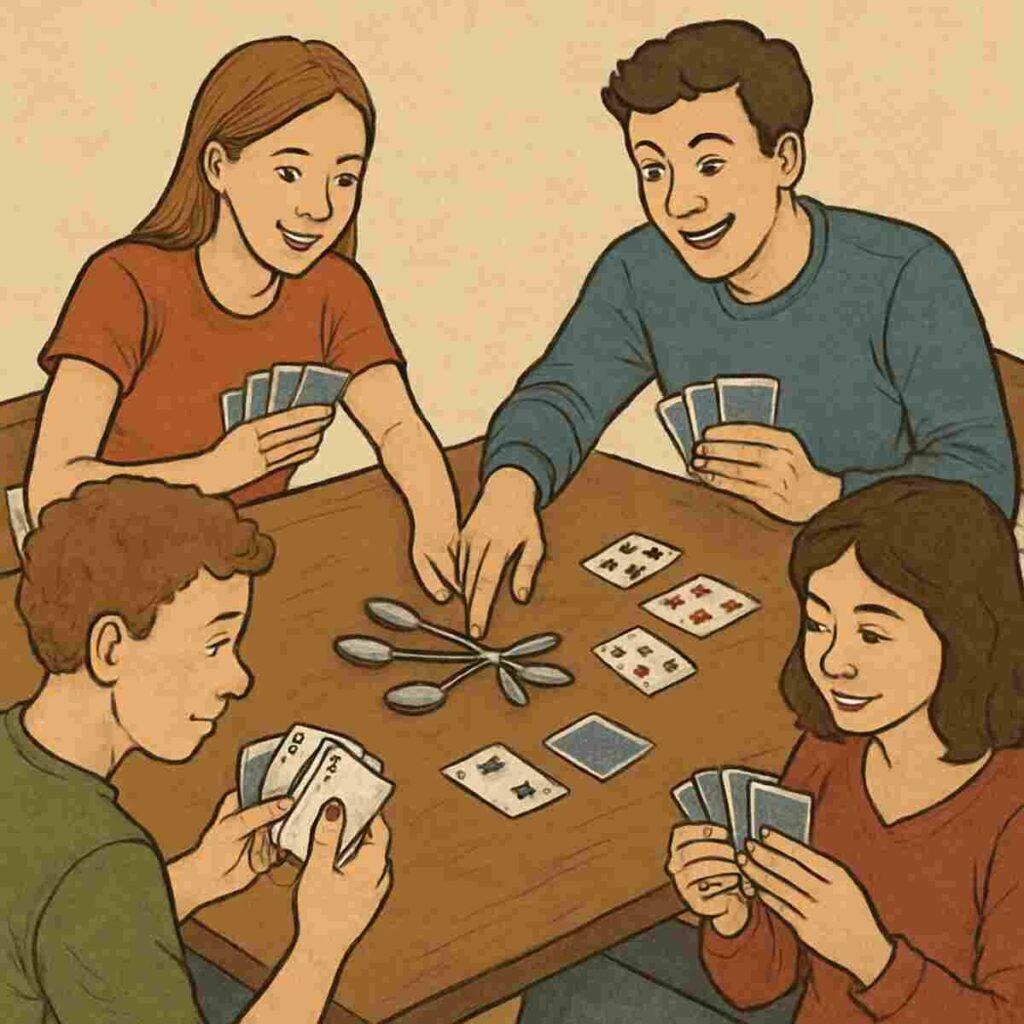
- Gameplay: The dealer draws the top card from the draw pile and either keeps it or passes it to the next player. The players must quickly decide to keep or pass cards to their left.
- Grabbing Spoons: Once a player has four of a kind, they discreetly grab a spoon from the center. At this point, all players must rush to grab a spoon.
- Elimination: The player left without a spoon is eliminated from the game. Remove one spoon and start the next round. The game continues until one player remains.
Flow of the Game
The game progresses rapidly, with players constantly evaluating their cards and making split-second decisions. The quick pace keeps everyone on their toes, fostering an atmosphere of anticipation and excitement. Each round builds on the last, heightening the stakes as players are eliminated.
Dealing with Ties
Occasionally, two players might reach for the last spoon simultaneously. In such cases, it’s crucial to establish a rule for resolving ties beforehand. Some groups opt for a rematch, while others may allow the player who touched the spoon first to claim it.
Handling Disputes
Disagreements can arise, especially in the heat of the moment. Establish clear rules at the start to minimize conflicts. If disputes occur, resolve them amicably, keeping the game’s fun and social spirit intact.
Strategies for Winning at Spoons
Stay Focused and Fast
Speed is essential in Spoons. Keep your eyes on the cards and the spoons at all times. The faster you can assess your hand and make decisions, the better your chances of grabbing a spoon before your opponents.
Enhancing Your Speed
Practice makes perfect. Engage in quick card games or exercises that improve hand-eye coordination to boost your speed. Over time, you’ll find yourself reacting faster, giving you an edge in Spoons.
Maintaining Concentration
Amidst the chaos, staying focused is vital. Tune out distractions and keep your mind on the game. Use deep breathing or visualization techniques to enhance your concentration and remain calm under pressure.
Timing Your Moves
In Spoons, timing is everything. Knowing when to pass a card or grab a spoon can make or break your game. Practice timing your actions to align with your strategy, maximizing your chances of success.
Keep a Poker Face
In Spoons, your facial expressions can give away your intentions. If you’re close to getting four of a kind, try not to let it show. Maintain a poker face to keep your opponents in the dark.
Mastering the Art of Deception
Conceal your excitement or disappointment to prevent opponents from reading your hand. Practice in front of a mirror or with friends to refine your ability to maintain a neutral expression during gameplay.
Psychological Warfare
Use your poker face to your advantage by subtly misleading opponents. Feign disinterest or confusion to throw them off your scent. This psychological tactic can create opportunities to strike when they least expect it.
Controlling Your Body Language
Beyond facial expressions, be mindful of your body language. Tensing up or leaning forward can signal your intentions. Maintain a relaxed posture to avoid giving away any hints about your hand.
Watch Your Opponents
Observe your opponents’ actions closely. If someone seems overly interested in their cards or is subtly shifting their attention to the spoons, they might be close to winning. Be ready to grab a spoon at any moment.
Reading Behavioral Cues
Pay attention to subtle cues like changes in breathing or eye movements. These can indicate a player’s intentions and help you anticipate their next move. The more attuned you are to these signals, the better prepared you’ll be.
Anticipating Moves
By closely monitoring your opponents, you can predict their actions and react accordingly. Use this foresight to plan your moves and position yourself advantageously in the game.
Adapting to Opponent’s Strategies
Every player has a unique style. Adapt your strategy based on the tendencies you observe in your opponents. Flexibility in your approach can help you counter their moves and maintain the upper hand.
Practice Quick Reflexes
The moment a spoon is taken, you need to act fast. Practicing your reflexes can make all the difference. Keep your hands close to the table and be prepared to snatch a spoon at the first sign of movement.
Reflex-Boosting Exercises
Incorporate exercises that enhance your reflexes, such as reaction ball drills or fast-paced video games. These activities can improve your hand-eye coordination and reaction time, crucial skills for Spoons.
Staying Close to the Action
Position your hands strategically near the spoons without drawing attention. This proximity allows you to act swiftly and efficiently, increasing your chances of securing a spoon when the opportunity arises.
Mental Preparation
Mentally rehearse scenarios where you need to act quickly. Visualization techniques can prepare your mind for rapid decision-making, ensuring you’re ready to pounce when the time comes.
Advanced Spoons Tactics
Bluffing
Just like in poker, bluffing can be a powerful tool in Spoons. Pretend you’re about to grab a spoon to throw off your opponents and make them act prematurely.
The Art of Deception
Refine your bluffing skills by practicing subtle gestures that suggest you’re about to move. These can include slight hand movements or a change in facial expression. The key is to be convincing without overacting.
Timing Your Bluff
The effectiveness of a bluff hinges on timing. Choose moments when your opponents are particularly tense or distracted to execute your bluff. A well-timed bluff can disrupt their focus and create opportunities for you.
Managing the Risks
Bluffing carries inherent risks, as opponents may catch on or call your bluff. Weigh the potential benefits against the risks, and use bluffing sparingly and strategically to maximize its impact.
Card Counting
Keeping track of which cards have been played can give you an edge. If you know which cards are no longer in play, you can make more informed decisions about which cards to keep or pass.
Developing Memory Skills
Strengthen your memory through exercises and games that challenge your recall abilities. Improved memory will aid in tracking cards and enhance your overall strategic thinking in Spoons.
Identifying Patterns
Look for patterns in card distribution and player behavior. Recognizing these patterns can help you anticipate which cards are likely to appear and adjust your strategy accordingly.
Using Card Counting Wisely
While card counting can be advantageous, avoid becoming too reliant on it. Balance your focus between tracking cards and maintaining awareness of the game’s dynamic elements, such as player behavior and spoon positioning.
Sly Spoon Snatching
Instead of making a big show of grabbing a spoon, try being subtle. Gently slide a spoon towards you while maintaining eye contact with your cards. The quieter you are, the less likely your opponents will notice until it’s too late.
Stealth Techniques
Master the art of subtlety by practicing quiet movements and minimizing noise. This approach allows you to secure a spoon without drawing attention, catching opponents off guard.
Distracting Opponents
Use distractions to your advantage. Engage opponents in conversation or create minor diversions to divert their attention from the spoons. This tactic can provide the opening you need to make your move.
Perfecting the Technique
Refine your spoon-snatching technique through practice. Experiment with different approaches to find the most effective method for your playing style. Consistent practice will make you more confident and efficient in executing this tactic.
Why Play Spoons?
Spoons is more than just a card game—it’s an adrenaline-pumping, laugh-out-loud experience that’s perfect for any gathering. Whether you’re a seasoned card shark or a novice, Spoons levels the playing field, offering everyone a chance to win with the right mix of skill and luck.
Building Social Connections
Spoons fosters camaraderie and strengthens social bonds. The shared experience of laughter, competition, and excitement creates lasting memories and deepens relationships among players.
Suitable for All Ages
One of Spoons’ greatest strengths is its accessibility. Players of all ages can enjoy the game, making it an excellent choice for family gatherings or multigenerational events. Its simplicity ensures that everyone can participate and have fun.
Encouraging Healthy Competition
Spoons provides an opportunity for friendly competition in a relaxed setting. It encourages players to challenge themselves and each other, promoting personal growth and the development of strategic thinking.
Enhancing Cognitive Skills
In addition to being fun, Spoons is a mental workout. It sharpens reflexes, enhances memory, and hones strategic thinking, making it a valuable activity for cognitive development and mental agility.
Conclusion
Mastering the art of Spoons strategy is all about quick thinking, sharp reflexes, and a bit of cunning. With these tips and tactics, you’re well on your way to becoming a Spoons champion. So gather your friends, grab some spoons, and let the fun begin. Who knows? You might just become the reigning Spoons master of your group!
Embrace the Challenge
As you delve into the world of Spoons, embrace the challenge and enjoy the journey. Each game is an opportunity to learn, improve, and have a fantastic time with friends and family.
Sharing the Joy
Spread the joy of Spoons by introducing it to new players. Sharing this exciting game with others can create new connections and expand your circle of fellow Spoons enthusiasts.
Beyond the Game
Remember, the essence of Spoons lies not just in winning but in the joy of playing. Cherish the moments of laughter and camaraderie, and let the game bring people together in a celebration of fun and friendship.
Now that you know the ins and outs of the game, go ahead and enjoy the thrill of Spoons. Happy playing!