


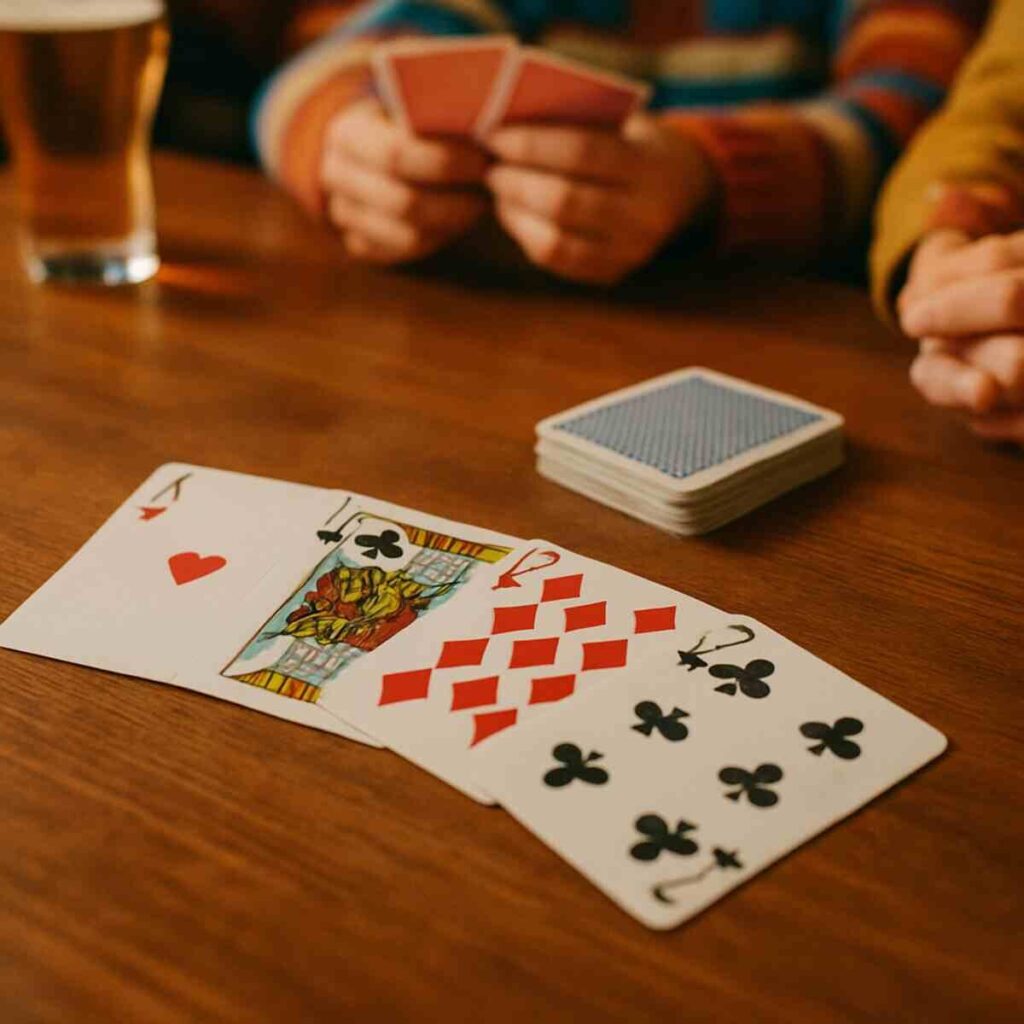
So, you’re in the mood for some card game fun, but you don’t want anything too complicated? Perfect! The Higher or Lower game is just what you need. It’s simple, fast-paced, and perfect for parties or casual get-togethers. Plus, you don’t need to be a card shark to play—just a little bit of luck and a good sense of fun. Whether you’re with family or friends, this game is bound to bring out laughter and excitement as you test your intuition and luck against the deck. To know more, check out HOKI805
What is the Higher or Lower Card Game?
The Higher or Lower game is a classic card game that’s all about guessing whether the next card in the deck will be higher or lower than the current one. It’s a fantastic way to kill some time, have a few laughs, and maybe even test your luck. Whether you’re a card game veteran or a complete newbie, the rules are straightforward enough for anyone to enjoy. Its simplicity allows players of all ages to engage, making it an ideal choice for family gatherings or casual hangouts.
A Brief History
Higher or Lower has roots in traditional card games and has been a staple in households for generations. The concept of guessing higher or lower is not new, and variations have been played across different cultures worldwide. Over the years, it has evolved, yet the essence remains unchanged—predicting the next card’s value. This enduring appeal speaks to its universal charm and adaptability.
Game Setup Essentials
To get started, all you need is a standard deck of cards. Shuffle the deck thoroughly to ensure that the game is as random as possible. Once shuffled, place the deck face down in the center of the table. That’s it—you’re ready to play! Make sure everyone is seated comfortably, and perhaps assign someone as the official card dealer to keep the flow going smoothly. Some players even add ambiance with background music to enhance the experience.
Understanding the Game Dynamics
The rules of Higher or Lower are simple. The dealer flips over the top card of the deck, and the player must guess whether the next card will be higher or lower in value. If the player guesses correctly, they get to continue guessing with the next card. If they’re wrong, the turn ends, and the next player gets a chance. This cycle continues, creating a rhythm that’s easy to follow and keeps everyone on their toes. The unpredictability of each draw adds to the thrill, making every guess a gamble.
Card Values and Hierarchies
Here’s a quick guide to card values for this game: Aces are low, followed by numbers 2 through 10, then Jack, Queen, and King being the highest. Understanding this hierarchy is crucial as it forms the basis of your guesses. Knowing that a King is the highest can influence your decision if it’s the current card. Similarly, recognizing an Ace as the lowest helps in strategizing your next move. This basic knowledge is the cornerstone of making informed guesses in the game.
Winning the Game
The goal is to get as many correct guesses in a row as possible. You can play until the deck runs out or set a specific number of rounds. Whoever has the most correct guesses at the end of the game wins. Easy peasy! This open-ended nature allows players to set their own pace and decide on a victory condition that suits their group, be it a marathon session or a quick series of rounds.
Setting Winning Criteria
Deciding how to declare a winner can vary. Some groups might prefer a simple tally of correct guesses, while others might opt for a points system. Assigning more points for consecutive correct guesses can add a competitive edge. Consider setting a target number of correct guesses that a player must achieve to win. This approach can make each round more strategic as players aim to hit their target before others.
Strategies for Success
While luck plays a significant role, developing a strategy can increase your chances of winning. Observing the cards that have already been played can inform your future guesses. For instance, if many high cards are out, the likelihood of a lower card appearing increases. Encouraging players to think critically about each decision can make the game more engaging and intellectually stimulating.
Keeping the Game Fair
Ensure that the game remains fun and fair for all participants. Rotate the dealer role regularly to give everyone a chance to participate equally. If using a points system, clearly explain the rules and scoring before starting. Transparency in how the game is conducted helps maintain a friendly and enjoyable atmosphere, preventing disputes and enhancing the overall experience.
Adding a Twist: Variations to Spice Up Your Game

The classic version of Higher or Lower is entertaining, but if you’re in the mood for something a little different, you can try these variations. Each adds a unique element to the game, keeping it fresh and exciting.
Drinking Game Version
For adult players looking to add a little twist, the Higher or Lower game can easily become a drinking game. The rules remain the same, but with one addition: if a player guesses wrong, they take a sip of their drink. It’s a fun way to add stakes and ensure everyone stays engaged. This version is perfect for parties, where the social aspect of the game can shine, and laughter is guaranteed.
Betting Version
If you want to add a competitive edge, why not introduce some betting? Before guessing, players can wager points or even small items. This version can make the game even more thrilling, as players weigh their risks versus rewards. Betting can be as simple as using poker chips or assigning a token value to everyday items, making each round an exciting gamble with potential rewards.
Limited Deck
For a quicker game, consider using a limited deck. Remove some of the cards, like all cards of a certain suit, to speed up the rounds and increase difficulty. This variation not only shortens the game time but also raises the stakes, as the reduced number of cards makes each guess more critical. It’s a great option when time is limited but the desire for a challenge remains high.
Theme-Based Variations
Inject some creativity by incorporating themes into your Higher or Lower game. For example, during holidays, use a themed deck or assign special rules based on the occasion. This can add a festive touch and personalize the experience, making it even more memorable for everyone involved.
Tips and Tricks for Winning
- Play the Odds: While the game is largely about luck, knowing the odds can help. For example, if you’ve seen a lot of high cards, the probability of a lower card appearing next increases. Understanding these odds can guide your guesses and improve your success rate over time.
- Stay Observant: Keep track of which cards have been played. This can help you make more informed guesses as the deck gets smaller. Developing a mental or physical tracking system, such as using a notepad, can be beneficial, especially in longer games.
- Take Calculated Risks: Sometimes taking a risk is necessary. If the current card is a 7, it’s almost a toss-up. Decide based on what you remember seeing and your gut feeling. Trusting your instincts while using logic can be a powerful combination, leading to surprising winning streaks.
- Adapt to the Game Flow: Be flexible in your approach as the game progresses. Adjust your strategy based on the cards in play and the tendencies of your opponents. Adapting to the dynamics of the game keeps you in the running and can give you an edge over less observant players.
Why Play Higher or Lower?
Higher or Lower is not just about luck; it’s a game of chance that teaches probability in a fun way. It’s a great icebreaker and can be adapted for all ages, making it ideal for family game nights, parties, or even casual hangouts. Its adaptability ensures that everyone, regardless of their experience level, can join in and enjoy the game.
Cognitive Benefits
Playing card games like Higher or Lower can also improve cognitive skills, as you need to remember which cards have been played and make quick decisions based on that. This mental exercise can enhance memory and decision-making abilities, making it not just entertaining but also beneficial for mental acuity.
Social Interaction
The social aspect of Higher or Lower cannot be overstated. It brings people together, encouraging conversation, laughter, and friendly competition. This interaction is vital in strengthening relationships and creating lasting memories among friends and family.
Versatility and Accessibility
Whether you’re looking for a fun way to pass the time or a game that can bring people together, Higher or Lower is a versatile and exciting choice. Its simplicity is its charm, making it accessible to everyone, regardless of age or experience with card games. The minimal setup and flexible rules allow it to be played virtually anywhere, anytime, ensuring endless fun.
Conclusion
Whether you’re looking for a fun way to pass the time or a game that can bring people together, Higher or Lower is a versatile and exciting choice. Its simplicity is its charm, making it accessible to everyone, regardless of age or experience with card games. The straightforward rules and fast-paced nature ensure that no one is left out and everyone can enjoy the thrill of the game.
So, grab a deck of cards and some friends, and dive into the world of Higher or Lower. It’s not just a game—it’s an experience of luck, laughter, and maybe even a little friendly competition. With its various adaptations and the potential for endless fun, Higher or Lower promises an engaging and memorable time for all participants. Embrace the excitement, and let the guessing begin!
Happy playing!